
Google's Lenovo Googlebook Duet 13 Could Finally Make Android a Serious Laptop Alternative
Google has a problem that better hardware alone cannot solve. It wants Android to become a serious operating system for computers, but people who buy laptops expect more than a beautiful screen, a fast processor, and a keyboard. They expect software that works.
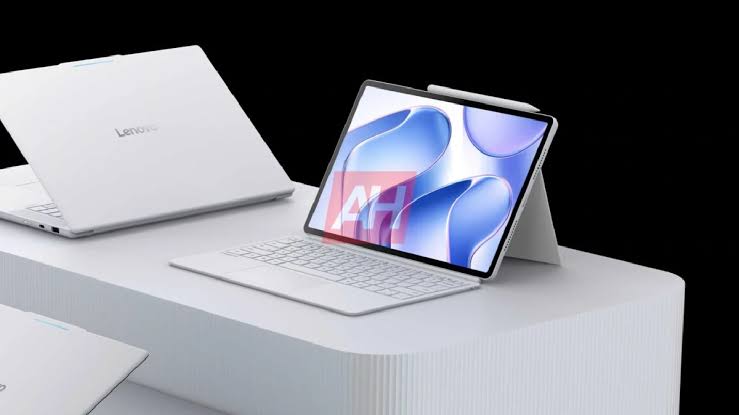
Lenovo Googlebook Duet 13 Combines a Tablet, Laptop, Stylus, and AI MouseThe rumored Lenovo Googlebook Duet 13 could be an important step toward fixing that problem. Instead of building another traditional laptop, Lenovo appears to be developing something closer to a Microsoft Surface Pro: a large Android-powered tablet that becomes a laptop when users attach its keyboard.
That sounds like a small design decision. It could actually reveal where Google's entire computer strategy is heading.
A New Googlebook Takes Shape
Leaked images attributed to reliable industry leaker Evan Blass show a device called the Lenovo Googlebook Duet 13.
The device reportedly features a detachable magnetic keyboard, a fold-out kickstand, and what appears to be an included stylus. The design resembles Lenovo's existing Chromebook Duet family, but it would run Google's newer Android-first Googlebook operating system.
The device has also reportedly cleared certification from the Federal Communications Commission.
Although Google and Lenovo have not confirmed the product, the timing of the leaks suggests a possible announcement around January 2027, potentially during CES.
One interesting detail is the processor. Rumors suggest Lenovo could choose a MediaTek chip instead of the Qualcomm or Intel processors found in other Googlebook models.
That decision could help control manufacturing costs and make the Duet more affordable.
The Biggest Change Is the Tablet-First Design
Most laptops begin with a keyboard and screen. The Googlebook Duet 13 appears to reverse that idea.
Its main body is a tablet. The keyboard is an attachment, and the kickstand allows users to position the screen independently.
This design creates two different experiences.
Without the keyboard, users can read, watch videos, draw, take notes, or use touchscreen applications. With the keyboard attached, the device becomes a more traditional computer.
The potential advantage is flexibility. People no longer need to carry a separate tablet and laptop for different activities.
The rumored stylus support makes this particularly interesting. It could bring handwriting, drawing, and creative workflows into Google's laptop ecosystem for the first time.
Why This Matters for Google
Googlebook devices are supposed to offer a more premium experience than traditional Chromebooks.
The existing lineup reportedly includes better displays, haptic trackpads, additional memory, and stronger Intel and Qualcomm processors.
However, premium hardware does not automatically create a premium computing experience.
Among the five Googlebook models currently described in the original report, only the Acer Googlebook 14 offers a convertible design that folds backward into a tablet-like mode.
The Duet could expand that category.
More importantly, it could help Google position Android as an operating system that works across phones, tablets, and computers rather than remaining primarily associated with smartphones.
That is a valuable strategic opportunity.
The Software Problem Is Bigger Than the Hardware
Here is the uncomfortable part.
Android already works well on tablets, but professional computer users need applications that can do serious work.
The original report highlights a major weakness. Android still lacks a fully featured version of Adobe Illustrator and a widely adopted creative application comparable to Procreate on the iPad.
Adobe has been working to improve full-screen support for applications such as Photoshop and Premiere on Googlebooks.
But these versions are still based on more limited mobile applications rather than the complete desktop software available on Windows and macOS.
For casual users, that may be acceptable.
For professional designers, video editors, and businesses, it can become a reason not to buy the device.
A detachable keyboard cannot solve an application problem.
The Business Opportunity Behind Googlebook
Google has an opportunity to build a broader computing platform around Android.
The traditional laptop market is competitive, but a device that combines tablet convenience with desktop-style multitasking could attract students, remote workers, business users, and creative professionals.
Lenovo brings manufacturing experience, hardware design, distribution, and an established convertible-device business.
Google brings Android, its application ecosystem, operating system development, and AI capabilities.
Their responsibilities are different.
Lenovo can make a device that people want to hold and use. Google must make sure that device can complete the work people need to do.
The rumored MediaTek processor could also support a lower-cost product strategy. However, there is no confirmed price, so it would be premature to claim that the Duet will become an affordable alternative.
Google Needs a Platform, Not Just Another Product
There is an important distinction between selling a product and building a platform.
A product is something customers purchase. A platform is something developers, businesses, and other companies build around.
Google needs the second.
The Googlebook Duet 13 could become more valuable if developers create applications specifically designed for large Android screens, keyboards, mice, and styluses.
That would create a positive cycle.
More useful applications attract more customers. More customers attract more developers. More developers make the platform more valuable.
Without that cycle, Google risks producing attractive devices that struggle to justify their prices.
The missing Glowbar is another small but interesting detail. This RGB accent has helped distinguish Googlebooks from other laptops. The leaked design raises questions about whether it still makes sense beside a rear-facing camera.
It is a minor design issue compared with software compatibility, but it illustrates the challenge of creating a consistent product identity across different hardware formats.
Microsoft and Apple Remain Difficult Competitors
The Googlebook Duet 13 would enter a market where customers already have established choices.
Microsoft's Surface Pro has demonstrated the appeal of combining a tablet with a detachable keyboard.
Apple's iPad has built a strong creative ecosystem, including applications designed for touchscreens and styluses.
Google has a different advantage. Android already has a large application ecosystem and is familiar to billions of smartphone users.
However, familiarity does not guarantee professional capability.
Google must demonstrate that Android can handle multitasking, desktop applications, external accessories, and demanding creative work without forcing users to constantly switch devices.
The Biggest Risks Could Damage Google's Strategy
There are several problems Google must address.
Application limitations. Missing professional software could prevent creative users from adopting Googlebooks.
Operating system reliability. The original Googlebook launch reportedly suffered from numerous Android-based software issues, requiring a recent patch.
Uncertain pricing. A lower-cost MediaTek processor could help, but there is no confirmed price or performance information.
Developer adoption. Developers need a financial reason to invest in applications optimized for Googlebook.
Product positioning. Google must explain whether these devices are intended for students, business users, creative professionals, or everyday consumers.
The weakest point in the entire strategy is the assumption that better Android hardware will automatically produce a better computer.
It will not.
The AI Opportunity for Small and Medium-Sized Businesses
The Duet could become interesting for smaller companies if Google successfully combines Android multitasking with AI-assisted productivity.
Imagine a small business owner using one device to review documents, communicate with customers, manage spreadsheets, take handwritten notes, and work with AI tools.
That could reduce the need to purchase several devices.
However, these are potential use cases, not confirmed capabilities of the leaked product.
Small businesses should evaluate devices based on practical outcomes rather than marketing promises.
Can employees use the applications they already depend on? Can the device manage multiple tasks? Does it support the company's security requirements? Can it reduce operating costs without creating additional software problems?
Until Google answers those questions, businesses should treat the Duet as an interesting future option rather than an immediate replacement for established computers.
The Regulatory and Competitive Weakness Google Must Address
From a competition and consumer-protection perspective, Google's challenge goes beyond product design.
A powerful platform can create significant advantages, but those advantages should not depend on restricting application developers or making it unnecessarily difficult for competing services to reach customers.
Google must provide developers with clear technical requirements, reliable software support, and a fair opportunity to build applications.
Consumers also need transparency about software limitations, update commitments, and compatibility.
The central competitive question is whether Googlebook can become a genuinely useful alternative or simply another way to extend Google's existing ecosystem.
The original report does not provide enough information about developer incentives, software distribution, pricing, or long-term support to establish that the platform is commercially sustainable.
That is the most important information still missing.
The Real Winner Will Be the Company That Solves the Software Gap
The Lenovo Googlebook Duet 13 is an interesting product because it represents a different direction for Google's laptop ambitions.
A tablet-first design, detachable keyboard, kickstand, and possible stylus support could make Android more practical on a larger screen.
But the hardware is only the beginning.
Lenovo can manufacture the device. It can refine the keyboard, improve the display, and choose the right processor.
Google must deliver the experience.
That means stable software, professional applications, better multitasking, and meaningful support for developers.
The opportunity is real, but so is the risk.
Google does not need another laptop that looks premium. It needs a computer that people can depend on every day.
If the company gets that right, the Googlebook Duet 13 could represent an important step toward a more competitive Android computing platform. If it gets the software wrong, even excellent hardware will not save the strategy.
Lenovo Googlebook Duet 13 Combines a Tablet, Laptop, Stylus, and AI Mouse
Lenovo Googlebook Duet 13, Googlebook Android laptop, Android desktop experience, Lenovo convertible tablet, Googlebook 2027, Android laptop market, detachable keyboard laptop, MediaTek Googlebook, Google Android ecosystem, Googlebook stylus support, Microsoft Surface Pro alternative, Android creative software, Googlebook business strategy, AI productivity devices
