
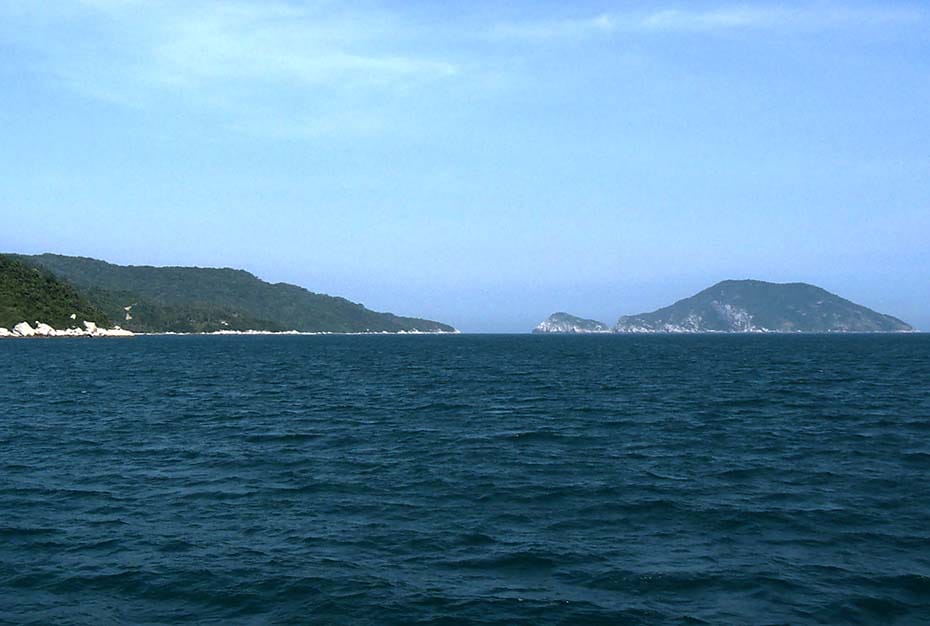
From Cu Lao Cham to Cu Lao Xanh – A Planner’s Guide to Vietnam’s Island Coast
Travelers exploring Vietnam often begin with cities: the historic streets of Hoi An, the energy of Ho Chi Minh City, or the capital atmosphere of Hanoi.
Yet the country’s coastline hides a different kind of journey—one defined by small islands scattered along the South China Sea.
Locally known as cù lao (offshore islands), these places attract travelers looking for experiences beyond typical beach resorts. Some offer coral reefs and diving. Others provide quiet fishing villages and mountain viewpoints.
Five islands illustrate the diversity of Vietnam’s coastal landscape particularly well:
-
Cu Lao Cham
-
Cu Lao Cau
-
Phu Quy Island (also called Cu Lao Thu)
-
Ly Son Island (historically Cu Lao Re)
-
Cu Lao Xanh
Approached individually, each island feels like a short escape from mainland Vietnam.
Viewed together, they form a coastal route shaped by fishing culture, marine ecosystems, and landscapes that reward travelers willing to take a boat beyond the shore.
Summary Table – Vietnam Coastal Island Guide
| Island | Province | Distance from Mainland | Known For | Activities |
|---|---|---|---|---|
| Cu Lao Cham | Quang Nam | 15 km from Cua Dai | Coral reefs, fishing villages | Snorkeling, cycling |
| Cu Lao Cau | Binh Thuan | ~100 km from Phan Thiet | Rock formations | Diving |
| Phu Quy Island | Binh Thuan | Ferry 5–7 hours | Seafood culture | Motorbike exploration |
| Ly Son Island | Quang Ngai | Offshore island district | Volcanic peaks | Sunrise viewpoints |
| Cu Lao Xanh | Binh Dinh | Near Quy Nhon | Quiet island life | Swimming, camping |
Cu Lao Cham – Coral Reefs Near Hoi An
Located about 15 kilometers offshore from Cua Dai Beach, the island group of Cu Lao Cham consists of eight islands rising from the sea.
Speedboats from the mainland usually reach the island in about 15 minutes, making it one of the most accessible island escapes in central Vietnam.
The landscape is defined by forested hills and fishing villages built along the shoreline.
For many visitors, the highlight is the water.
The sea around Cu Lao Cham is known for its clarity, which allows travelers to explore coral reefs using simple snorkeling gear.
Travel groups often describe the activity in simple terms: grab a mask, step into the water, and drift above the reef.
On land, the island invites slower exploration.
Cycling routes wind past sand dunes, small fishing harbors, and coastal roads where the ocean remains constantly visible.
Further inland, forest trails lead into dense vegetation where picnic breaks beneath tall trees become part of the day’s rhythm.
Cu Lao Cau – The Island of Stone
Farther south in Binh Thuan Province, Cu Lao Cau presents a completely different landscape.
Seen from the mainland, the island rises from the sea like a fortress of rock.
Unusual stone formations give the coastline a sculpted appearance, leading many travelers to describe the island as a kingdom of stone.
The surrounding water is exceptionally clear, sometimes allowing visitors to see the seabed from the surface.
Because of this visibility, Cu Lao Cau has developed a reputation as a strong diving destination.
Beneath the water, coral reefs host colorful marine life.
Visitors often explore rocky areas searching for small fish, crustaceans, and shellfish among the coral structures.
Evenings on the island tend to be social rather than luxurious.
Travel groups frequently organize simple beach barbecues—grilled seafood, small campfires, and improvised team games along the shore.
Sometimes the most memorable moment is simply lying on the sand while waves roll in quietly.
Phu Quy Island – A Journey Worth the Ferry Ride
Travel to Phu Quy Island requires more commitment.
Ferries departing the mainland can take five to seven hours to reach the island.
But those who arrive often discover a landscape that feels dramatically different from the mainland coast.
Phu Quy—historically known as Cu Lao Thu—combines rocky coastlines with green hills and clusters of fruit trees.
Motorbikes become the preferred way to explore the island.
A single ride around the coastline reveals fishing harbors, small temples, and villages where seafood dominates the local cuisine.
For travelers seeking wider views, the island’s Cao Cat Mountain rises roughly 70 meters above sea level.
Near the summit stands Linh Son Pagoda, a religious site that overlooks much of the island’s coastline.
Adventurous travelers sometimes organize small boat trips to nearby uninhabited islets, where activities range from collecting shells to swimming in quiet coves.
Ly Son Island – Sunrise Over a Volcanic Landscape
Many travelers know Ly Son Island, but fewer recognize its older name: Cu Lao Re.
The island is famous for its distinctive sea color—a deep green-blue that appears especially vibrant in morning light.
One of the most memorable experiences on Ly Son involves waking early and riding a motorbike toward Thoi Loi Mountain.
At around 4 a.m., the road climbs steep slopes along narrow curves.
On one side rises the mountain.
On the other lies a valley dropping toward the sea.
The ride can feel intense in darkness, but reaching the summit reveals a wide coastal panorama.
From the top, travelers can see nearby islands including Dao Be Ly Son and Mu Cu Islet.
Below the mountain, terraced garlic fields spread across the land—layered rows that resemble agricultural terraces in northern Vietnam.
Cu Lao Xanh – Quiet Island Near Quy Nhon
The final destination in this coastal route sits offshore from Quy Nhon.
Cu Lao Xanh belongs administratively to Nhon Chau Commune.
Compared with other islands on this list, its population is relatively small.
Most residents are older adults and children, giving the island a noticeably calm rhythm.
The water around Cu Lao Xanh reflects its name—clear and green, with visibility reaching deep below the surface.
Swimming areas extend across several coves, and the coastline offers many places suitable for snorkeling.
For group travelers, evenings often revolve around shared activities:
-
beach campfires
-
grilled seafood dinners
-
late-night conversations beside the water
Local specialties frequently include freshly caught squid—sometimes called “muc nhay”, referring to squid so fresh they appear to “jump” when caught.
Things the Media Doesn’t Tell You
Island travel in Vietnam often looks effortless in photographs.
In reality, reaching these islands requires planning.
Boat Schedules Matter
Ferries and speedboats can depend heavily on weather conditions. Trips to islands like Phu Quy Island may take several hours and sometimes change based on sea conditions.
Infrastructure Varies
Some islands, such as Cu Lao Cham, have relatively developed tourism services.
Others, including Cu Lao Xanh, remain quieter with limited nightlife or entertainment facilities.
Adventure Comes With Risk
Experiences like the early morning motorbike ride to Thoi Loi Mountain can involve steep roads and sharp turns.
Travelers should approach these adventures carefully rather than treating them as casual sightseeing.
Seafood Defines the Cuisine
Across all five islands, seafood becomes the central culinary experience.
Meals often feature freshly caught fish, shellfish, or squid prepared simply near the water.
For many visitors, these shared beach meals become one of the most memorable parts of the journey.
Community Perspective
Vietnamese travel communities frequently describe island trips as a rite of passage for young explorers.
One traveler summarized the experience in a short line often repeated in travel groups:
“Cities show you Vietnam’s history. Islands show you its freedom.”
That contrast captures why island journeys continue to attract adventurous travelers—especially during the summer and early autumn months when the sea becomes calmer.
Island Travel in Vietnam – Cu Lao Cham Cau Phu Quy Ly Son and Cu Lao Xanh.
Vietnam island travel, Cu Lao Cham island, Cu Lao Cau diving, Phu Quy island guide, Ly Son island travel, Cu Lao Xanh beach, Vietnam coastal islands, Vietnam snorkeling islands, islands near Quy Nhon, Vietnam island adventure, Binh Thuan islands, Quang Ngai island travel, Vietnam beach camping, Vietnam ferry islands, Vietnam seafood islands
