There are places that politely invite you in. Nha Trang does not. It pulls. It tugs at the hem of your shirt, smells of salt and grilled fish, and says, quietly but insistently, stay a little longer. Or better still, stay forever.
This coastal city on Vietnam’s south central shoreline is a masterclass in contrast. Ancient brick towers stare out across a sea busy with fishing boats. Ultra clear bays cradle coral kingdoms. Markets hum with voices at dawn while islands offshore remain almost monkishly silent. A Nha Trang tour is not about ticking sights off a list. It is about yielding to a rhythm you did not know you missed.
The sea is always nearby. Sometimes it sparkles. Sometimes it broods. Either way, it sets the tone.
Nha Trang has long been understood as a beach destination, but that description sells it short. Beaches are merely the opening sentence. The real story unfolds as you wander inland, north along the Cai River, or out to islands that feel as though they slipped loose from time.
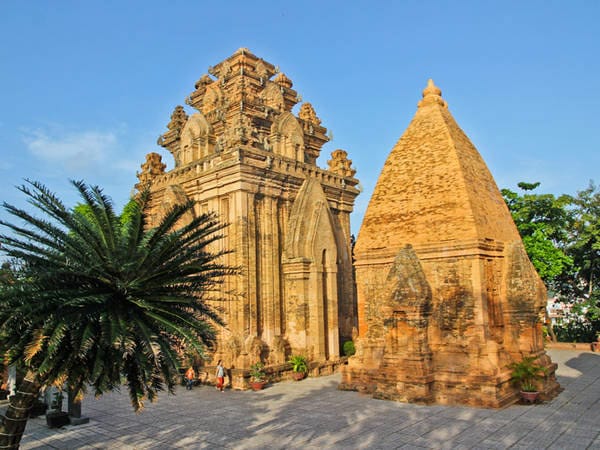
Begin with Po Nagar Cham Towers, known in English as Po Nagar Towers, a place where history breathes. They rise on a small hill roughly fifty meters above sea level, close to the river mouth, about two kilometers north of the modern city. Built between the seventh and twelfth centuries during the Champa Kingdom, these brick towers are dedicated to the goddess Po Ino Nagar, the Mother of the Land.
The bricks fit so perfectly that even scholars still argue over how they were bonded. There is no mortar you can see. Only time. Four towers remain, weathered, resilient, and still alive with worship. Visitors arrive throughout the day, some with cameras, others with incense. If you are lucky, you will witness the ritual of changing the goddess’s garments or the ceremonial bathing. These are not performances. They are acts of continuity. The past has not ended here. It simply learned to coexist with tour buses.
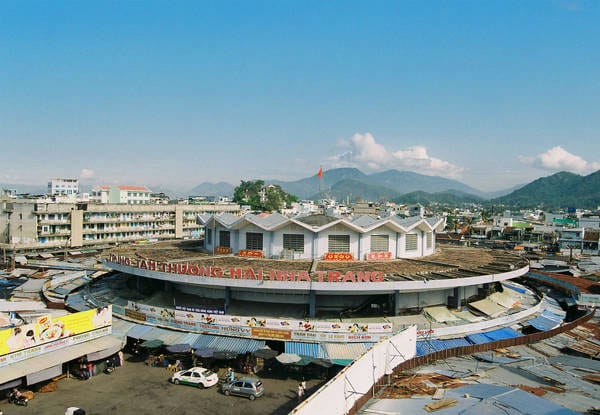
From sacred heights, descend into the everyday pulse of the city at Dam Market, the commercial heart of Nha Trang. Architecturally, it is surprisingly elegant, a circular structure that feels both practical and ceremonial. Inside, the air thickens with the scent of dried squid, fish sauce, and tropical fruit. This is where Nha Trang shops for itself. Souvenirs exist, yes, but they sit side by side with baskets of dried seafood destined for local kitchens. Wander slowly. Markets reward patience. You learn more from how people bargain than from what they buy.
Beyond the city, the sea begins to widen its vocabulary.
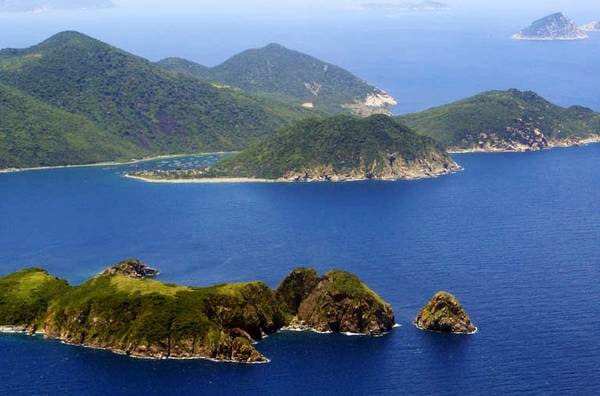
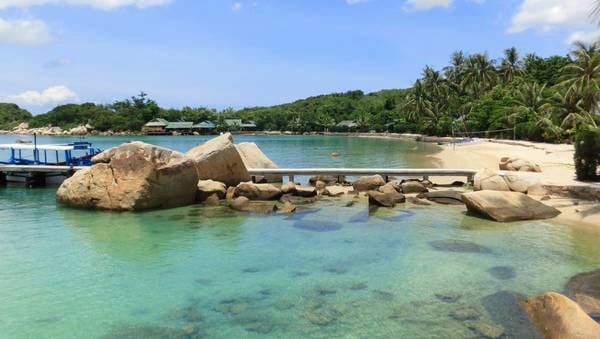
Van Phong Bay lies north of Nha Trang and is the largest bay in Khanh Hoa Province. The World Sea Association once listed it among the four most ideal marine tourism destinations in the world, and standing on its shoreline, that accolade feels modest. The water here shifts from jade to sapphire depending on the hour. Fishing villages cling to the edges. The land curves inward protectively, creating a natural harbor that feels like a secret too large to keep.
This is not a bay for hurry. It is a bay for anchoring the mind. Boat tours drift rather than rush. The horizon feels generous. Asia has many beautiful bays. Van Phong feels unclaimed by noise.
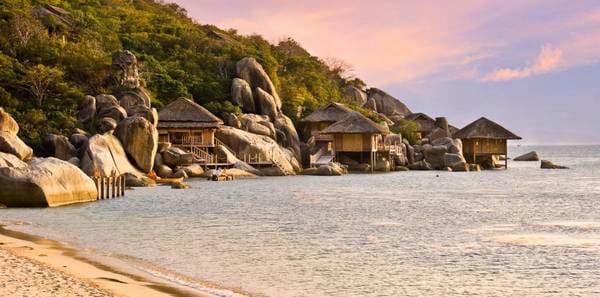
Further south and across the water lies Ninh Van Bay, about sixty kilometers from Nha Trang, tucked along the Hon Meo Peninsula. Reaching it takes around twenty minutes by speedboat, just long enough for anticipation to sharpen. The moment you arrive, sound recedes. The bay is quiet in the way monasteries are quiet. Not empty. Intentional.
Here, the sand is pale, the water transparent, and the hills behind are thick with green. Activities exist for those who want them. Snorkeling over coral gardens. Scuba diving in calm conditions. Kayaking across water so still it feels suspended. Surfing and wind powered sports for days when the breeze agrees. But the true luxury of Ninh Van Bay is stillness. It is the feeling of having arrived somewhere before the world caught up.
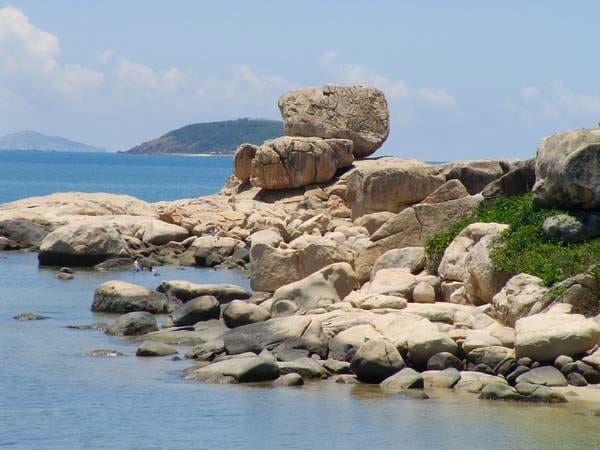
Back closer to the city, Hon Chong offers a different sort of wonder. This natural rock formation sits by the sea at the foot of Lasan Hill. Massive granite boulders are stacked as if by a playful giant, balanced improbably, defiantly. Nearby lies Hon Vo, the smaller companion rock. Together they form a landscape that seems half geological, half mythological. Above, a traditional Hue style wooden house overlooks Nha Trang Bay, framing the view as if it were a painting.
Come here near sunset. Watch the light soften. The rocks absorb the day’s heat and give it back slowly. Couples pose for photos. Locals linger. No one seems in a rush to leave.
Then there is Hon Mun Island, perhaps the crown jewel of any Nha Trang island tour. Its waters are astonishingly clear. The coral ecosystem here is among the richest in Vietnam, recognized by the World Wildlife Fund for its biodiversity. Beneath the surface, colors erupt. Fish dart like punctuation marks. Coral spreads in elaborate, almost architectural forms.
Activities are plentiful and unapologetically fun. Snorkeling and scuba diving are the obvious draws. Glass bottom boats offer a gentler introduction. Floating bars bob offshore, serving cold drinks in improbable surroundings. Hon Mun understands that wonder and pleasure are not enemies.
Culture in Nha Trang does not sit behind glass. It parades. It sings. It remembers.
The Whale Festival, known in English as the Whale Worship Festival, honors the whale, believed by coastal communities to be a guardian spirit that rescues sailors in distress. Rooted in legend tied to Emperor Gia Long, the festival is both solemn and celebratory. Processions move through fishing villages. Offerings are made. Gratitude is expressed not abstractly, but personally. In a world increasingly detached from the sources of its survival, this festival feels grounding.
The Po Nagar Tower Festival takes place annually from the twentieth to the twenty fourth day of the third lunar month. It is the largest festival in the region, drawing pilgrims from across central Vietnam. Music, dance, incense, and prayer converge in a vibrant homage to the Mother Goddess. To attend is to see belief made visible.
And then there is food. Nha Trang understands appetite.
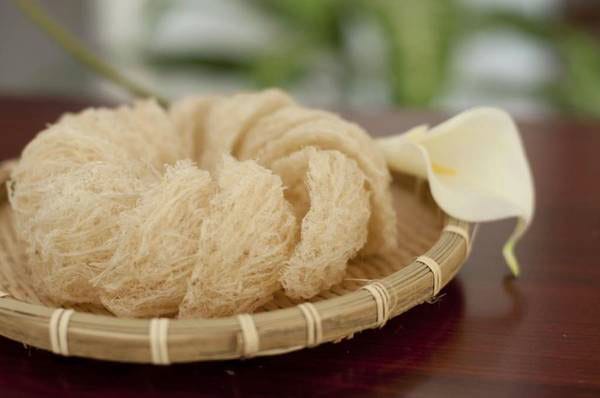
Khanh Hoa Province is famed for bird’s nest products, created from the saliva of swiftlets and prized across East Asia as a medicinal delicacy. Agarwood, formed in the Aquilaria tree, carries spiritual and economic significance, its scent used in incense and rituals. These are luxury items with deep cultural roots.
Everyday food is no less compelling. Ninh Hoa grilled pork rolls, served with fresh herbs and rice paper, balance smoke and sweetness. Fish noodle soup arrives clear, aromatic, honest. Banh can cakes sizzle in small pans, eaten hot, dipped generously. Meals here feel assembled rather than manufactured.
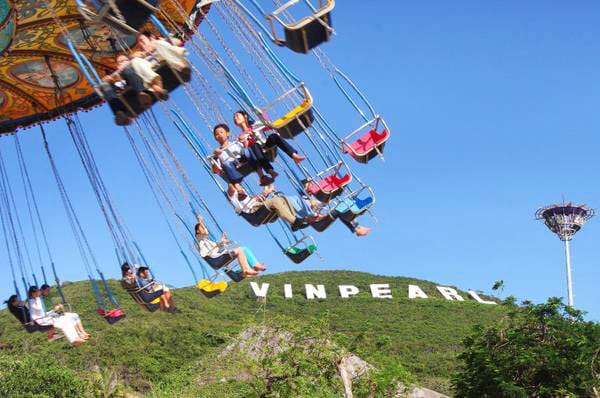
Entertainment finds its most exuberant expression at Vinpearl Land, located on Hon Tre Island. Often called a tropical paradise, it combines amusement park energy with island scenery. Reaching it is part of the experience. Speedboats skim the water. Ferries plod peacefully. Or you can take the cable car, stretching over three kilometers across the sea, the longest of its kind in Vietnam. Suspended above the water, the city recedes, the island advances, and anticipation does the rest.
Vinpearl Land offers rides, water parks, aquariums, and shows, but what lingers is the sensation of play against a backdrop of open sea. It is exuberance without apology.
A Nha Trang tour works because it refuses to be singular. It is beach and belief. Leisure and legacy. Silence and celebration. You can spend the morning diving over coral, the afternoon exploring Cham temples, the evening eating by the sea while fishing boats drift past like moving lanterns.
There is a moment, often unannounced, when you stop checking the time. That is when Nha Trang has you.
You came for the coast. You stay for the feeling that life, lived nearer the sea, might actually make sense.
And somewhere between the ancient towers and the open bay, you realize something quietly thrilling.
You want to go now.