There are moments in travel when the world seems to have conspired to impress you. Flower festivals are such moments. They are not simply decorative events. They are declarations. Cities pause their ordinary business and decide, collectively, to be beautiful. Streets become galleries. Parks turn theatrical. Even the air feels altered, perfumed with intent.
Attend one of these festivals and you are no longer a spectator. You drift. You linger. You smile at strangers. You think, perhaps for the first time in weeks, that the world has not finished surprising you.
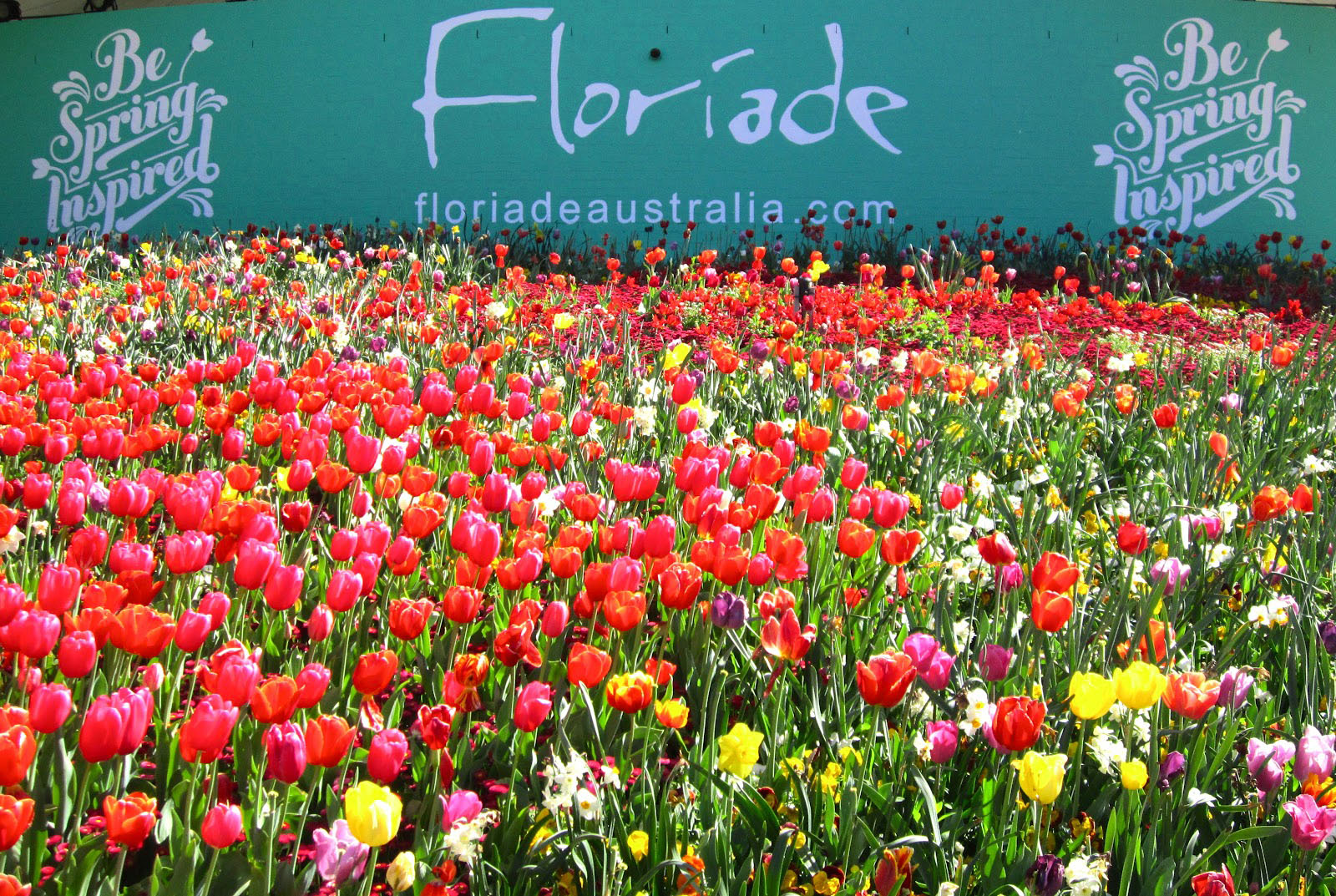
The Netherlands understands this instinctively. Floriade is not a festival that happens. It unfolds. Once every ten years, the country gathers its horticultural confidence and lays it out across a vast parkland, sixty five hectares of planted persuasion. Held most recently in Venlo and spanning six months from April to October, Floriade is less an event than a season of wonder. Fields stretch into the distance in disciplined yet exuberant color. Trees, vegetables, flowers, even experimental landscapes are arranged as living artworks. Visitors walk slowly here. There is too much to absorb. Hotels in the region prepare accordingly, offering extended stays, garden facing rooms, and transport links that acknowledge you may wish to return more than once. The benefit is time. Time to see how light changes petals. Time to understand how the Dutch have made cultivation a national art.
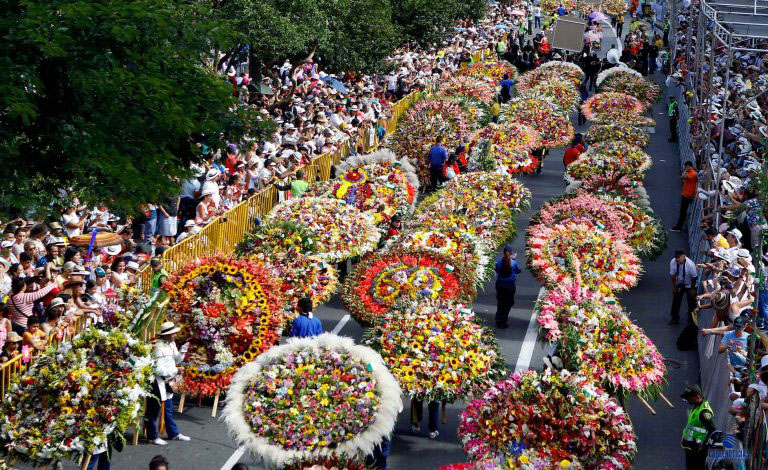
From European order to South American exuberance, Medellin tells a different story with flowers. Colombia supplies the majority of cut flowers to the United States, and Medellin is its beating heart. Feria de las Flores began in the mid twentieth century as a way to honor local growers. It has since grown into a citywide celebration lasting from late June into early August. The signature event is the Silletas parade, where immense floral arrangements are carried through the streets, each one a portable narrative of color and craftsmanship. Hotels across Medellin respond with festival packages, rooftop views of parades, and late breakfasts for guests who have stayed out dancing. The benefit here is immersion. You are not observing culture. You are inside it.
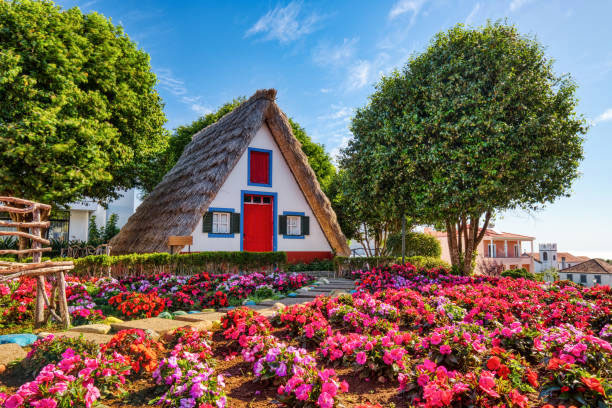
Across the Atlantic, the Atlantic island of Madeira blooms with Atlantic confidence. In Funchal, two weeks after Easter, spring announces itself with a four day flower festival that turns the capital into a living mosaic. Streets are carpeted in petals. Shopfronts become floral installations. Children parade first, carrying innocence and blossoms in equal measure, followed by grand floats and dancers in elaborate costumes. Hotels in Funchal anticipate this surge of beauty, offering balconies overlooking the main routes and floral themed dining menus. The advantage is proximity. Step outside and the festival is already under your feet.
In Southeast Asia, Chiang Mai greets February with unapologetic abundance. This northern Thai city, already known for temples and craft, becomes a botanical exhibition when flower season peaks. Over three thousand orchid species are displayed alongside rare local blooms. Floats glide through the streets, each one an exercise in excess and patience. Chiang Mai’s hotels excel during this period, providing calm courtyards, spa treatments scented with local flowers, and transport to viewing points before crowds gather. The benefit is balance. You enjoy spectacle by day and retreat into serenity by night.
North America answers with scale. The Canadian Tulip Festival in Ottawa and Gatineau is the largest of its kind in the world. Each May, over half a million visitors wander through parks and along waterways lined with tulips in every conceivable hue. The festival has diplomatic roots, a gift of bulbs from the Netherlands, and it retains a sense of international goodwill. Ottawa’s hotels take advantage of the city’s layout, offering easy access to festival sites, river views, and walking itineraries that connect monuments with gardens. The benefit is context. Flowers here converse with history.
London, predictably, approaches flowers with competitive elegance. The Chelsea Flower Show, organized by the Royal Horticultural Society each May, is the pinnacle of garden design. This is not merely about blooms. It is about ideas. Designers debut new plant varieties and radical approaches to space. The atmosphere is part exhibition, part social ritual. Hotels in Chelsea and nearby districts offer early breakfast service, tailored transport, and discreet luxury for guests who appreciate that flowers, too, can be serious business. The advantage is access. You are close to the thinking edge of horticulture.
In the highlands of the Philippines, Baguio hosts Panagbenga, a month long celebration whose name means a season of blooming. Held each February, the festival fills weekends with parades of flower covered floats and dancers in constant motion. Panagbenga began in the 1990s and quickly became an anchor of national tourism. Hotels in Baguio align themselves with the festival’s rhythm, offering elevated views, soundproofed rooms for restful nights, and guides who know where to stand when the parade turns spectacular. The benefit is endurance. You can enjoy celebration without exhaustion.
Japan’s Hanami is quieter, but no less profound. From late February to April, cherry blossoms advance northward across the country, a traveling season of contemplation. People gather beneath trees, picnic, talk softly, and watch petals fall like deliberate snow. Hotels near parks and rivers understand the emotional gravity of Hanami, offering minimalist rooms, early check ins, and window views that frame blossoms as if they were paintings. The advantage is simplicity. Everything unnecessary fades.
Spain prefers drama. In Valencia, Batalla de Flores marks the end of the Feria de Julio each August. After ceremonial parades of elaborate floats and elegantly dressed women, the festival erupts into a playful battle. Flowers are thrown. Laughter is unavoidable. Even the participants on floats are not spared. Hotels near the city center prepare guests with festival briefings, protective advice, and post battle comforts. The benefit is release. You leave lighter than you arrived.
In the United States, Pasadena welcomes the new year with roses. The Rose Parade on January first transforms California sunshine into a floral procession watched by millions. Floats, entirely covered in flowers, roll past marching bands and equestrian units. Hotels in Pasadena offer parade side rooms, themed breakfasts, and late check outs for guests who have risen early to claim their view. The advantage is tradition. You are witnessing a century old celebration that still believes in beauty.
Across these ten festivals, one truth repeats itself. Flowers change places. They soften cities. They invite generosity of mood. Travel during these moments feels amplified.
Choosing the right accommodation deepens the experience. Well located hotels reduce transit stress. Thoughtful amenities anticipate festival fatigue. Quiet rooms allow reflection. Concierge services connect you with the best viewing spots and timings. The benefits are practical, but the effect is emotional. You feel looked after, free to focus on wonder.
These festivals are not ornamental footnotes to travel. They are reasons to go. They are seasons that cannot be postponed.
Somewhere, petals are already opening.
world flower festivals travel, international flower festival tour, global flower festival travel blog, best flower festivals in the world, flower festival travel guide, floral travel destinations, tulip festival Canada travel, cherry blossom Hanami travel, Chelsea Flower Show travel, Chiang Mai flower festival tour, Medellin Feria de las Flores travel, Madeira flower festival travel, Valencia flower festival tour, Pasadena Rose Parade travel, flower festival vacation ideas