
Mui Ne Vietnam – A Coastal Journey Through Fishing Villages and Sand Dunes
Some travel destinations announce themselves loudly. Others unfold slowly.
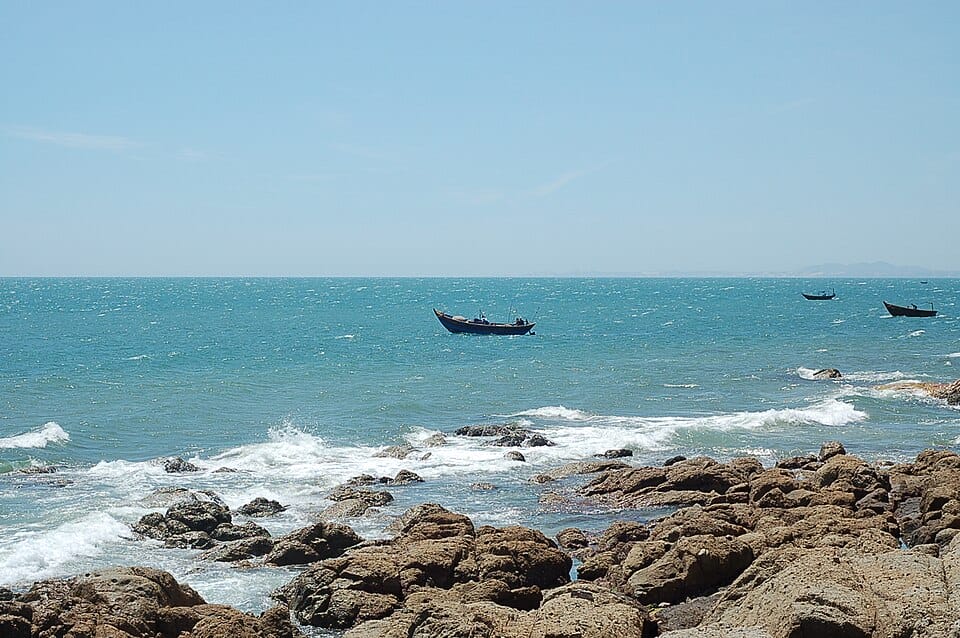
The coastal district of Mui Ne, about 220 kilometers east of Ho Chi Minh City, belongs to the second category. On the map it appears as a small beach town along the South China Sea. In practice, it reveals itself through details: fishing boats clustering near the harbor, dunes that resemble fragments of desert, and long stretches of wind-swept coastline.
For many travelers, Mui Ne becomes a place they return to again and again. That was the case for my parents, who had visited the area every year for seven consecutive years. After hearing their stories for so long, I decided it was time to understand the appeal for myself.
The answer didn’t appear immediately. It emerged gradually—through conversations with fishermen, sunrise views at the harbor, and long motorbike rides along the coast.
Quick Summary Table
| Category | Details |
|---|---|
| Destination | Mui Ne Coastal Area |
| Location | Phan Thiet, Vietnam |
| Distance from Ho Chi Minh City | Approx. 220 km |
| Travel Time | Around 6 hours by bus |
| Landscape Highlights | Fishing harbor, long beaches, sand dunes |
| Outdoor Activities | Sand sliding, motorbike exploration, kitesurfing |
| Local Culture | Fishing communities and coastal markets |
| Nearby Nature | Fairy Stream near Ham Tien |
| Typical Experience | Slow coastal travel and photography |
| Nearby Destinations | Da Lat and Nha Trang |
The Harbor – Where Mui Ne Still Feels Like a Fishing Village
Long before resorts appeared along the coastline, Mui Ne functioned primarily as a fishing village. That identity remains visible today.
One of the most striking scenes appears near the fishing harbor: hundreds of colorful boats anchored close together, creating a mosaic of red, blue, and green hulls across the water.
The scene becomes even more compelling at sunset. As the sun drops toward the horizon, the boats appear silhouetted against a golden sky. Amateur photographers, including my father, often spend hours here capturing the changing light.
For travelers used to large resort towns, this harbor offers something different: a glimpse of everyday coastal life that continues alongside tourism.
The Long Beach and the Culture of Wind
Mui Ne’s coastline stretches roughly 15 kilometers, forming a long ribbon of sand exposed to steady sea winds.
Those winds have quietly turned the area into a popular location for kite sports. In the southern section of the beach, colorful kites frequently appear above the waves as riders train and compete.
Even if you’re not participating, watching the kites move across the sky adds a dynamic element to the landscape. The wind, the waves, and the long open shoreline create a setting that feels very different from Vietnam’s more crowded beaches.
The Sand Dunes – Vietnam’s Desert-Like Landscape
One of Mui Ne’s most recognizable features lies just outside town: the wide stretches of red and white sand dunes.
These dunes create a surprising contrast with the tropical coastline. Standing among them, it’s easy to forget you’re in Southeast Asia.
Visitors often rent plastic boards and slide down the slopes. It’s a simple activity, but one that leaves a strong impression—especially when the sand reflects the afternoon light and the dunes appear almost endless.
Unlike many tourist attractions, the dunes rely on natural landscape rather than built infrastructure. Wind continuously reshapes the surface, so the terrain rarely looks exactly the same twice.
Walking Through the Fairy Stream
Near the village of Ham Tien, another unusual landscape appears: the Fairy Stream.
The stream runs through a narrow canyon with striking rock formations rising on both sides. Walking along the shallow water feels less like a typical river hike and more like exploring a natural corridor carved through sandstone.
The contrast between flowing water and towering rock walls gives the area an almost theatrical appearance. Many travelers describe the walk as one of the most surprising experiences in Mui Ne.
The Journey from Ho Chi Minh City
Reaching Mui Ne requires a bit of patience.
The most common route begins in Ho Chi Minh City, where travelers take a long-distance bus heading east. The journey takes roughly six hours, including a rest stop midway where passengers can stretch and relax.
During the drive, the scenery gradually changes from urban districts to agricultural countryside. One detail stands out along the route: rows of dragon fruit farms, their green cactus-like plants stretching across the landscape.
Watching these farms pass by the window provides a visual reminder that southern Vietnam’s coastal economy blends agriculture and fishing.
Staying by the Sea
During our visit, we stayed at Little Mui Ne Resort, a small seaside property located just a few meters from the beach.
Our room sat roughly ten meters from the water. The proximity meant that the sound of waves was constant, especially during the evening.
For many travelers, the beach near the resort might not rank among Vietnam’s most dramatic shorelines. But its simplicity became part of the experience. Each morning fishermen pulled nets from the water, while small round basket boats drifted near the shore.
Over time my parents had become regular guests, which led to friendships with local families in the area.
Conversations with the Fishing Community
Travel becomes richer when it moves beyond sightseeing.
One fisherman my father knew invited us to observe the process of preparing fishing nets. The rhythm of the work was steady and collaborative—family members repairing equipment while discussing the next day’s catch.
Occasionally visitors are even invited to join short fishing trips offshore. For travelers used to packaged tours, these informal moments can become the most memorable part of the trip.
The friendliness of the community is something many returning visitors mention when explaining why they come back.
Food and Motorbike Exploration
Mui Ne’s coastal road is lined with local restaurants serving seafood and regional dishes. Many of these places are small family operations rather than large commercial venues.
Meals often feature freshly caught fish, shrimp, or squid prepared in simple ways that highlight the flavor of the seafood itself.
Another essential part of the Mui Ne experience is motorbike rental. Renting a motorbike—sometimes with a driver—allows travelers to explore the dunes, beaches, and villages at their own pace.
The flexibility of this transportation makes it easy to turn the coastline into a day-long exploration route.
Things the Media Doesn’t Tell You
Travel media often presents Mui Ne purely as a beach getaway. The reality is more layered.
First, the town still functions as an active fishing region, which means early mornings can be busy and noisy near the harbor. Boats arrive before sunrise, and the coastline becomes a working space rather than just a scenic view.
Second, not every beach section looks like a tropical postcard. Some areas near fishing villages reflect the everyday life of a coastal community—nets drying in the sun, small boats pulled onto the sand, and fishermen repairing equipment.
Third, travel in Mui Ne works best when approached slowly. The town isn’t designed around fast sightseeing schedules. Its appeal lies in observing small moments: sunset at the harbor, a quiet ride along the dunes, or conversations with local residents.
Understanding these details helps travelers set realistic expectations and often leads to a richer experience.
Planning Your Route Beyond Mui Ne
Many travelers use Mui Ne as part of a broader coastal itinerary.
From here, it’s common to continue toward Da Lat, a mountain destination known for cooler weather and pine forests. Another route leads north to Nha Trang, one of Vietnam’s best-known beach cities.
This makes Mui Ne an effective stop on a longer journey through southern and central Vietnam.
The town offers enough to explore for several days—but its real strength lies in how it connects travelers with the slower rhythms of Vietnam’s coastline.
A Planner’s Guide to Mui Ne – Vietnam’s Coastal Landscape Beyond the Resorts.
Mui Ne Vietnam travel, Mui Ne fishing village, Mui Ne sand dunes, Mui Ne beach guide, Mui Ne Fairy Stream, Mui Ne motorbike travel, Mui Ne harbor sunset, Mui Ne coastal town, Mui Ne travel itinerary, Mui Ne Vietnam beaches, Mui Ne fishing boats, Mui Ne travel experience, Mui Ne dragon fruit farms, Mui Ne coastal culture, Mui Ne Vietnam guide
