
Palmer Luckey Owns a Missile Base but Says Everyone Needs 72 Hours of Supplies
A billionaire who builds weapons for the United States government has an unusual piece of advice for ordinary Americans. Keep three days of water. Keep three days of food. Do not wait until your prescription medication runs out before getting a refill.
Palmer Luckey Says Three Days of Water and Food Should Be Standard
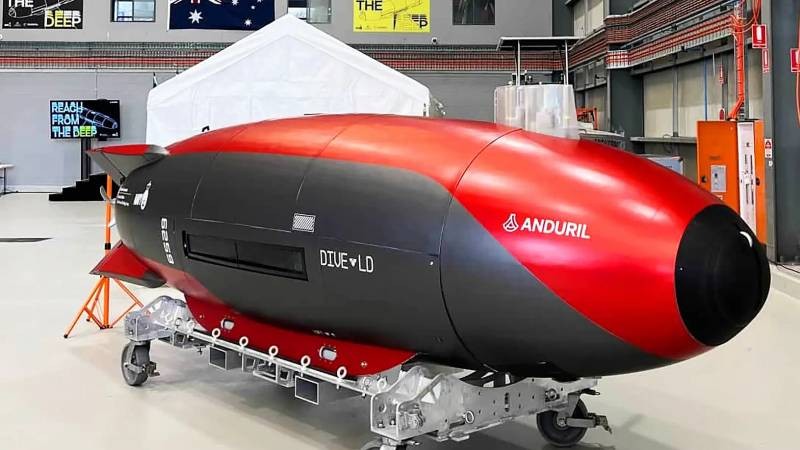
Palmer Luckey is not speaking from a position of ordinary experience. The founder of Anduril, a defense technology company described in the original report as worth $90 billion, has purchased several former Cold War underground military facilities. He even owns a missile base roughly 200 feet below ground.
But his message at the New York Times DealBook Summit was not simply about preparing for the end of the world. It was about a growing mismatch between the speed of modern cyberattacks and the ability of old systems to defend themselves.
That mismatch could become a serious problem for businesses, governments, and households.
A Warning During a Wave of Technology Outages
During his conversation with Andrew Ross Sorkin, Luckey discussed a series of major outages involving Apple, Microsoft, the National Security Agency, and the Federal Aviation Administration.
These incidents had raised concerns about possible cyberattacks against American infrastructure. The government said the outages were not the result of an attack. Luckey, however, suggested that the public might eventually learn more about the situation.
He did not provide evidence that the outages were connected or that a cyber war was underway. His comments were warnings, not confirmation of an attack.
Still, his broader argument deserves attention. Technology is becoming more powerful, but many of the systems supporting modern life remain old and difficult to update.
AI Is Changing the Speed of Cyberattacks
Luckey described a growing gap between sophisticated AI-powered cyberattacks and outdated systems that cannot adopt new technology quickly enough.
The problem is speed.
AI can help attackers develop and adapt techniques faster. Meanwhile, organizations with older software, complex infrastructure, and slow approval processes may struggle to respond.
A company might understand that its systems are vulnerable but still need months to replace equipment, update software, train employees, or obtain approval for security spending.
That creates an uncomfortable imbalance. Attackers may move quickly while defenders remain tied to systems built for a different technological era.
Luckey's message was direct: organizations need to accelerate their response.
The 72-Hour Rule Is More Practical Than a Bunker
When asked whether he was a prepper, Luckey did not reject the label.
He joked that he owned a missile base 200 feet underground, but also explained why such a facility might be a poor place to escape an apocalypse. A former missile base is easy to locate, and its design is intended to withstand a nuclear blast rather than make its occupants invisible.
His practical advice was much simpler.
Every household should have three days of drinking water and dry food. People who take prescription medication should arrange refills before their supply runs out, rather than waiting until the last moment.
Luckey argued that this kind of preparation used to be taught in middle school. Today, people who follow the same advice can be treated as irrational.
The distinction is important. Emergency preparation does not require believing that disaster is imminent. It means recognizing that essential services can fail, even temporarily.
The Business Behind the Warning
Luckey's comments also have a business dimension.
Anduril develops defense technology and has substantial government contracts, according to the original report. Its business operates in a market where governments need better tools to detect threats, protect infrastructure, and respond to changing military risks.
The more serious the perceived security threat becomes, the more pressure governments face to modernize their defenses.
That creates demand for advanced technology. But it also raises questions about how much public money should go to private defense companies, how their products are evaluated, and whether governments become too dependent on a small group of suppliers.
There is no evidence in the original report that Luckey made these comments to promote a specific Anduril product. Nevertheless, the connection between national security concerns and defense spending is an important part of the business environment.
A Personal Survival Story With a Larger Technology Problem
Luckey's interest in survival is not new. In 2017, someone familiar with him described him as a prepper. He has bought several decommissioned underground facilities from the Cold War era, and in 2024 he revealed that one housed his large video game collection.
The missile base is memorable, but the more important part of his argument concerns infrastructure.
Modern economies depend on systems that most people rarely see. Airports, government networks, cloud services, payment systems, communications, and business software all rely on technology working when people need it.
An outage can interrupt operations even when no attacker is involved. A successful cyberattack could create an even more serious disruption.
For businesses, the cost is not limited to repairing computers. It can include lost sales, missed deliveries, unavailable customer records, delayed payments, and damaged trust.
The Weakest Point in the Argument Is the Missing Evidence
Luckey's warning identifies a credible concern, but the original report does not provide enough technical evidence to establish that a cyber war is taking place.
It does not identify the attackers, describe the specific vulnerabilities involved, quantify the role of AI, or demonstrate that the listed outages were connected.
That is the weakest part of the story. A series of outages does not automatically prove a coordinated attack. Nor does the existence of AI-powered cyber threats establish that every organization is currently facing an imminent crisis.
From a competition and public-policy perspective, the same caution should apply to the defense industry. Governments need stronger security, but emergency fears should not become a blank check for suppliers. Public contracts should be transparent, products should be tested, and competing providers should have a fair opportunity to demonstrate their capabilities.
The public needs evidence, not just alarming predictions.
What Small Businesses Should Do Before a Crisis
Small and medium-sized businesses cannot build underground bunkers or maintain the security budgets of large corporations. They can still reduce their exposure.
Start with basic steps. Keep secure backups of important business data. Use multi-factor authentication. Update software and devices. Limit employee access to sensitive systems. Make sure more than one person knows how to handle essential business operations.
Businesses should also prepare for temporary outages. Keep an alternative way to contact customers and suppliers, document critical procedures, and identify which services must be restored first.
The goal is not to predict every possible disaster. It is to make sure one failure does not stop the entire business.
Resilience Is Becoming a Business Requirement
Palmer Luckey's underground missile base makes for a memorable headline. His 72-hour recommendation is more useful.
The larger lesson is that modern technology creates both new capabilities and new weaknesses. AI may help businesses work faster, but it can also help attackers move faster. Governments may invest billions in defense technology, yet everyday organizations still depend on systems that are difficult to update.
Preparation is not paranoia. It is risk management.
For households, that may mean three days of basic supplies. For businesses, it means backups, security controls, and a plan for operating when critical systems fail.
The future will not necessarily bring an apocalypse. But companies and communities that can keep functioning through disruption will be better positioned to survive whatever comes next.
Palmer Luckey Says Three Days of Water and Food Should Be Standard
Palmer Luckey, Anduril defense, AI cyberattacks, cybersecurity threats, 72 hour supplies, emergency preparedness, cyber resilience, American infrastructure, defense technology, AI security, business continuity, cyber war concerns, small business security, national security
